What Martin Luther King Jr.’s Legacy Really Means for Canadian Workplaces in 2026
Every January, Martin Luther King Jr. Day arrives just as Canadian employers are deep into planning mode. It’s that time when teams are setting priorities, figuring out culture goals, and asking tough questions about leadership.
And right around then, one quiet question tends to bubble up in boardrooms, emails, and Slack messages.
Should we say something? Or stay silent?
That hesitation makes sense. Martin Luther King Jr. Day is an American holiday. Canada has its own stories, its own movements, and its own responsibilities.
But the reality is, Canadian workplaces don’t exist in a bubble. People are tuned in to what’s happening globally. Political shifts, social tension, and news headlines don’t stop at the border. Employees feel it. Leadership notices. And many organizations aren’t sure how to respond, or if they should at all.
That’s exactly why Dr. King’s legacy still matters in Canadian workplaces today. Not because of a holiday or a headline. But because it reminds us what responsibility looks like when the world feels uncertain.
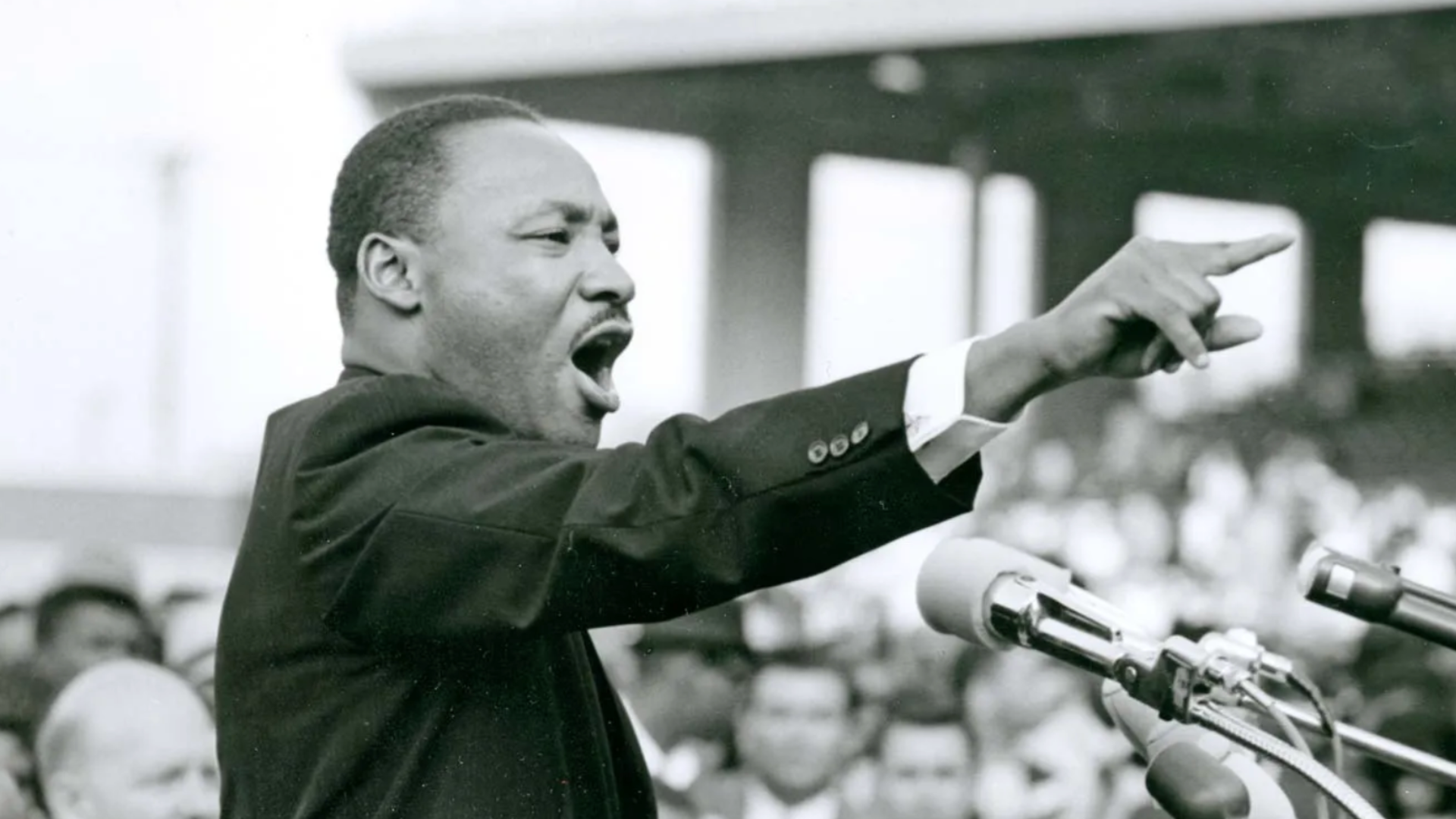
Why the message of MLK resonates in Canada
People often remember Martin Luther King Jr. for his inspiring words about unity and peace. Those speeches mattered. But his work ran deeper than inspiration. He wasn’t just calling for kindness.
He was challenging institutions to face how their systems created unequal outcomes.
He pushed hard on issues that still matter today. He spoke about economic fairness, labour rights, dignity in the workplace, and the moral obligations of businesses and governments. None of that is uniquely American. These are concerns that show up in every modern workplace, including Canada’s.
When things in the world feel heavy, people don’t just clock in and forget. They bring their concerns, fears, and frustrations with them to work. Those feelings show up in performance reviews, team meetings, and conversations in the lunchroom. Employers shape the environment people have to navigate. They’re part of the equation, whether they want to be or not. And that’s where Dr. King’s legacy becomes quietly relevant again.
The risk of oversimplifying MLK’s message and legacy
Over time, Dr. King’s message has been watered down. People pull a quote, post a graphic, and call it a day. But the real depth of what he stood for gets lost. His challenges to power are replaced with vague talk about harmony. It’s safer that way. Easier.
But his work wasn’t about comfort. It was about accountability. It was about calling out the dangers of being neutral in systems that aren’t fair. He wasn’t asking leaders to stay out of it. He was asking them to lead.
That’s a big deal for employers. Because the test of inclusion doesn’t happen when everything’s going smoothly. It happens when money’s tight, when conversations get tense, when everyone’s playing it safe. That’s when you find out whether equity is really a value or just something you said on your website.
Understanding MLK Jr. Day’s relevance in Canadian work culture
In 2026, Canadian workplaces are under a lot of pressure. Global instability, political shifts, and economic stress are causing leaders to tread carefully. Some companies are scaling back on public commitments. Others are frozen, unsure how to act at all.
Here’s where Dr. King’s legacy can offer a more grounded lens. Inclusion isn’t about putting out statements. It’s about how your systems and culture behave when things aren’t easy.
It shows up in who still gets hired when competition ramps up. It shows up in whose concerns are taken seriously when people are anxious or divided. It shows up in how fairly performance is measured under stress. It shows up in whether policies meant to support flexibility vanish the second they become inconvenient.
These quiet decisions don’t grab attention. But they shape your culture in powerful ways. Way more than any social media post ever will.
Why saying nothing might be the right move
For a lot of employers, staying quiet in January can feel like the safest move. And often, it is. Not every situation needs a press release. Saying nothing is usually better than saying something empty.
But Dr. King’s legacy isn’t about who talks the loudest. It’s about acting with consistency. That could mean reviewing how and where you post job ads or making sure your application process is accessible. It could mean equipping managers to have tough conversations. Or taking a fresh look at how workloads are distributed, especially when people are stressed.
None of this needs a marketing campaign. All of it needs to be sincere.
What real leadership looks like when things are unstable
One of the most overlooked lessons from Dr. King is that leadership gets measured differently in unstable times. When people feel uncertain, they aren’t looking for branding. They’re looking for consistency.
They notice whether policies apply to everyone the same way. They notice if flexibility is something people can actually count on. They notice if inclusion gets thrown out the window when things get difficult. And they remember if their concerns were heard or brushed off.
Canadian employers don’t need to copy what’s happening in the U.S. But they do need to realize that employees bring their whole selves to work. And leadership isn’t about having all the right words. It’s about showing people what you really stand for.

A quiet but powerful way to honour MLK
You don’t need to mark Martin Luther King Jr. Day with a glossy post or a branded campaign. You don’t even need to say anything at all.
The most meaningful way to honor his legacy is by treating inclusion as a responsibility, not a performance.
That means
preparing instead of reacting
fixing broken systems instead of issuing broad statements
choosing to be steady instead of flashy
protecting dignity even when it’s uncomfortable
Because at the end of the day, your impact doesn’t come from what you post.
It comes from what you protect.
"The time is always right to do what is right."
– Martin Luther King Jr.
Reach more diverse candidates across Canada.
HireDiverse is a Canadian job board that connects organizations with diverse talent.